
An evening of compositions by
Andrew Goodwin
Saturday 24 October 2026 · 6.30 pm
War Memorial Chapel · Barker College, Hornsby
Admission is free · All are warmly welcome
Welcome
A celebration of music that speaks of memory, love, loss, faith and the enduring beauty of life.
Andrew Goodwin is internationally admired for the beauty and expressive power of his singing. Tonight, in Barker College’s War Memorial Chapel, we encounter the composer behind that voice. In a rare meeting of his artistic worlds, Andrew sings his own songs and conducts the choir in music of his own creation.
The music moves from the intimacy of four strings to the freedom of the singing violin; from war poetry and the preciousness of life to the consolation of sacred words. These are deeply personal compositions, yet the feelings they hold – love, faith, loss and hope – belong to us all.
Barker College has offered far more than a beautiful setting. By generously opening the War Memorial Chapel, the College has given this music a place of profound meaning, especially as we hear the poetry of Rupert Nelson, an Old Barkerian whose life was lost in war. Our heartfelt thanks go to Mr Phillip Heath AM and the whole Barker community for making this extraordinary gathering possible.
To every musician, benefactor, organiser, volunteer and guest: thank you for giving this music a voice. May it continue to speak to you long after the final note.
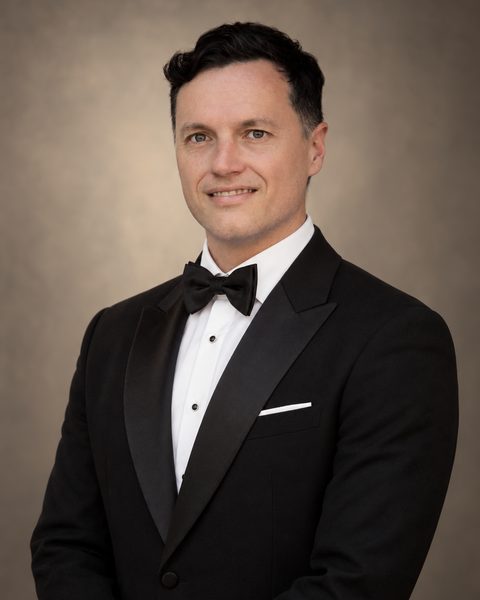
Andrew Goodwin
Tenor | Composer | Conductor
An internationally acclaimed Australian tenor, Andrew Goodwin has established an exceptional career on some of the world’s most prestigious operatic and concert stages. Celebrated for the beauty of his voice, expressive artistry and musical intelligence, he has appeared at such renowned institutions as Teatro alla Scala in Milan, the Bolshoi Theatre, Gran Teatre del Liceu in Barcelona, Teatro Real in Madrid, and Opera Australia.
Equally distinguished on the concert platform, Andrew has performed with Australia’s leading symphony orchestras and at celebrated international venues and festivals, including London’s Wigmore Hall and Oxford Lieder. His remarkably diverse repertoire encompasses the intimacy of art song, the dramatic power of opera, and the spiritual depth of sacred music and oratorio, spanning centuries from the Baroque to the present day. His recordings include Schubert’s two great song cycles, Die schöne Müllerin and Winterreise, with pianist Daniel de Borah.
Born in Sydney, Andrew studied at the St Petersburg State Conservatory, where his musical education helped shape the breadth and sensitivity of his artistry. His early experience with the violin, organ and choral music continues to inform his imagination as a composer.
This evening offers a particularly rare and personal encounter with Andrew’s musical world. Beyond the internationally celebrated tenor, audiences discover the composer whose music gives expression to his own artistic vision, and the conductor who brings that vision to life alongside his fellow musicians. In a remarkable union of these three dimensions of his artistry, Andrew shares not only his voice, but the music that has grown from a lifetime devoted to it.
Programme
PART ONE
PART TWO
II. Furlough – instrumental interlude
III. I Have a Rendezvous with Death – Alan Seeger
IV. Sweet – Lt Rupert Llandels Waldron Nelson
Listening to the music
String Quartet No. 1
Long before the international opera houses, Andrew’s musical journey began with the violin. Writing his first string quartet was therefore a return to an instrument he knew intimately, and also a step into unfamiliar territory. After the expansive possibilities of choral writing, the four strings offered a demanding freedom: there are only four voices, and every one must be heard.
Andrew has spoken of how, in a choir, another voice can sometimes help resolve a difficult harmony. In a quartet there is no such escape. The music must discover its richness through clarity, invention and the interplay of four distinct personalities. Listen for that living conversation: a phrase passed between instruments, a line emerging from within the texture, four individual voices becoming one.
The work also bears the imprint of Andrew’s formative years as a musician and of his affection for Romantic lyricism and neoclassical discipline. The first movement opens a broad expressive world; the Finale, approaching the energy of a fugue, looks towards the counterpoint of J. S. Bach, whose music Andrew came to know so deeply as an organist. Tonight’s two selected movements reveal both sides of the same artistic instinct: the desire to sing, and the delight of making voices speak together.
Peace I Leave With You
“Peace I leave with you; my peace I give you.” These words from the Gospel of John offer no easy promise that sorrow will disappear. They speak instead of a peace able to remain when life itself feels uncertain.
Originally conceived as a choral composition, Peace I Leave With You has travelled through different forms. Tonight, its four-part vocal setting brings the words close to the listener: four distinct singers, each with a colour and character of their own, united in a single expression of reassurance. The transparency of the ensemble allows the text itself to remain at the centre.
Dedicated to Andrew’s father, the piece is at once an intimate tribute and a universal invitation. Before searching for great gestures, listen for the quiet strength of the words. Their gift is not the absence of loss, but the possibility of finding stillness within it.
Violin Sonata
After completing his String Quartet, Andrew returned to the violin with a new question: what if this instrument could sing with the freedom, tenderness and vulnerability of the human voice? His answer draws on the bel canto tradition he has inhabited throughout his career, particularly the operas of Bellini and Donizetti, where a long melodic line can carry an entire world of feeling.
In the first movement, Adagio, the violin unfolds phrases shaped almost as a singer might breathe them. Their graceful simplicity is deliberate, not slight: listen to how a sustained line gathers meaning through its shape, how richer musical ideas arise at the centre, and how the opening returns subtly changed. The piano is more than a backdrop, helping to colour and sustain the musical thought.
Adagio / Vivace begins differently, with a directness almost reminiscent of folk song. Gradually the music releases its energy: the harmony moves, the tempo quickens and the two instruments exchange their roles. At moments the violin accompanies while the piano takes the lead; at others their voices meet and race forward together. The result is a true duet, carried from reflection to exhilarating virtuosity. With Ike See and Dash Eck performing the two movements, the sonata also allows us to hear two individual violin voices within Andrew’s single musical vision.
Songs of War
Songs of War opens a door onto four experiences of conflict: the shock of death, the fragile pause of leave, the solemn acceptance of an uncertain fate and, finally, an almost defiant love for the world. Andrew places a solitary tenor before a piano quintet, surrounding the words with a chamber ensemble capable of intimacy, turbulence and silence.
I. Anthem for Doomed Youth
Written amid the devastation of the First World War, Wilfred Owen’s Anthem for Doomed Youth is a powerful and deeply moving lament for young soldiers whose lives were extinguished in battle. Owen confronts the brutal contrast between the dignity traditionally afforded to the dead and the impersonal machinery of war. The fallen soldiers are compared to cattle, denied the solemn rituals of mourning, while the relentless sounds of gunfire and exploding shells replace funeral bells and prayers.
Yet beneath the poem’s anger at the futility and dehumanisation of war lies a profound compassion. Owen turns our attention from the battlefield to those left behind, where grief, love and remembrance become the only true funeral rites. The poem stands as both a passionate condemnation of war and a deeply human elegy, restoring individuality and dignity to lives otherwise reduced to the anonymity of mass destruction.
Furlough then withdraws the human voice. This instrumental interlude evokes the strange quiet of returning from the front: a rest that cannot entirely silence memory.
In Alan Seeger’s I Have a Rendezvous with Death, the returning spring becomes a haunting contrast to the soldier’s certainty that death may be near. The poem’s restraint is no less moving than its courage. But the closing song, Sweet, changes our perspective. Instead of turning away from mortality, it insists on the beauty of the life that mortality makes precious.
Its author, Lieutenant Rupert Llandels Waldron Nelson (1922 – 1945), was a Barker College student and Head Prefect in 1941. He served in the Australian Army’s 2/33rd Battalion and was killed in action at Balikpapan, Borneo, aged twenty-two. His wartime poetry was preserved and later published as Futility: Meditations of an Australian Soldier. The words of Sweet linger over sunlight, rivers, storms, laughter and the contradictions of being alive. They are filled not with bitterness, but with wonder.
In Barker’s own War Memorial Chapel, this final movement takes on a meaning no composer could manufacture. A young Old Barkerian’s words return to his school through music written generations later. After the anguish of the earlier songs, his affirmation – “Sweet is the World” – reminds us what remembrance is ultimately for: to honour lives, and the world they loved.
God So Loved the World
After the searching poetry of war, the choir turns to a few words of extraordinary breadth and simplicity. John 3:16 speaks of love as an act of giving – a love offered not to a chosen few, but to the world.
In choral music, a text like this finds a special kind of voice. Individual singers breathe and listen together until one message is carried by many, creating an image of community within the sound itself. The words ask for directness rather than ornament: “God so loved the world.” Heard after Songs of War, their promise of enduring life offers a response of faith to the fragility of human existence.
Andrew dedicates this work to Judith Neilson AM in celebration of her birthday and in affectionate gratitude for her steadfast commitment to art and music, and for the generosity and personal encouragement she has extended to Andrew and Maria. It is a musical thank-you for the belief in artists that allows their work to be heard.
Requiem
A requiem begins with a plea for rest. In Andrew Goodwin’s setting, that prayer becomes a journey through mercy, holiness, peace and the hope of eternal light. The words move between Latin and English, drawing upon phrases that have carried the grief and consolation of generations.
The opening “Requiem aeternam dona eis” asks that the departed be granted eternal rest. The Kyrie and Agnus Dei turn to compassion and forgiveness; the repeated Sanctus raises the prayer into an affirmation of the sacred. Then the language becomes quieter and more concentrated: “Dona nobis pacem” – grant us peace – and, finally, “Et lux perpetua luceat eis” – may perpetual light shine upon them.
Choir and organ bring these ancient words into the intimacy of this evening, where remembrance is not only about those we have lost but also about those who help us endure. Dedicated to Jim and Peronelle Windeyer, the work gives thanks for their generous friendship and for the sustaining light they bring to others. It does not pretend that music can explain grief. Instead, it offers what music can give so beautifully: a place for love, memory and hope to remain together.
Words and poetry
The sung texts, in the order in which they are heard.
Peace I Leave With You
John 14:27
Peace I leave with you; my peace I give you.
I do not give to you as the world gives.
Do not let your hearts be troubled and do not be afraid.
I. Anthem for Doomed Youth
Wilfred Owen
What passing-bells for these who die as cattle?
– Only the monstrous anger of the guns.
Only the stuttering rifles’ rapid rattle
Can patter out their hasty orisons.
No mockeries now for them; no prayers nor bells;
Nor any voice of mourning save the choirs, –
The shrill, demented choirs of wailing shells;
And bugles calling for them from sad shires.
What candles may be held to speed them all?
Not in the hands of boys, but in their eyes
Shall shine the holy glimmers of goodbyes.
The pallor of girls’ brows shall be their pall;
Their flowers the tenderness of patient minds,
And each slow dusk a drawing-down of blinds.
II. Furlough
Instrumental interlude – no sung text
III. I Have a Rendezvous with Death
Alan Seeger
I have a rendezvous with Death
At some disputed barricade,
When Spring comes back with rustling shade
And apple-blossoms fill the air –
I have a rendezvous with Death
When Spring brings back blue days and fair.
It may be he shall take my hand
And lead me into his dark land
And close my eyes and quench my breath –
It may be I shall pass him still.
I have a rendezvous with Death
On some scarred slope of battered hill,
When Spring comes round again this year
And the first meadow-flowers appear.
God knows ’twere better to be deep
Pillowed in silk and scented down,
Where Love throbs out in blissful sleep,
Pulse nigh to pulse, and breath to breath,
Where hushed awakenings are dear …
But I’ve a rendezvous with Death
At midnight in some flaming town,
When Spring trips north again this year,
And I to my pledged word am true,
I shall not fail that rendezvous.
IV. Sweet
Lt Rupert Llandels Waldron Nelson
See the Sun’s so sunny rays
Linger over Summer’s days
See sweet Winter’s storms and rain
See and love and look again.
See the rivers and the streams
See silver Moon’s so tender beams
See the hills and see the skies
See the Oceans roaring wide.
Chant a ditty, sing a song
Life is short than rather long
Laugh and cry; oh! live and die!
See the Ages rushing by.
Stupid, silly, sane and wild
Steady, sober, man and child
Song and dance or virgin, wine
Happy, sad, or cruel, or kind.
I love the World, love never wanes
Love its streets and love its lanes
Love its hills, and love its dales
Love its winds and love its gales.
Sweet is the World
So very sweet
I love its ways, its ways I keep
Sweet, sweet so very sweet.
God So Loved the World
John 3:16
God so loved the world,
that he gave his only Son,
that whoever believes in him
should not perish,
but have eternal life.
Requiem
Latin and English text
Requiem aeternam dona eis.
Kyrie eleison, Christe eleison.
O Lamb of God,
who takest away the sins of the world,
O Lamb of God,
have mercy upon us, and grant us peace.
Agnus Dei, qui tollis peccata mundi,
miserere nobis.
Sanctus, Sanctus, Sanctus,
Dominus Deus Sabaoth.
Pleni sunt caeli et terra gloria tua.
Dona nobis pacem.
Lux aeterna.
Et lux perpetua luceat eis.
The artists
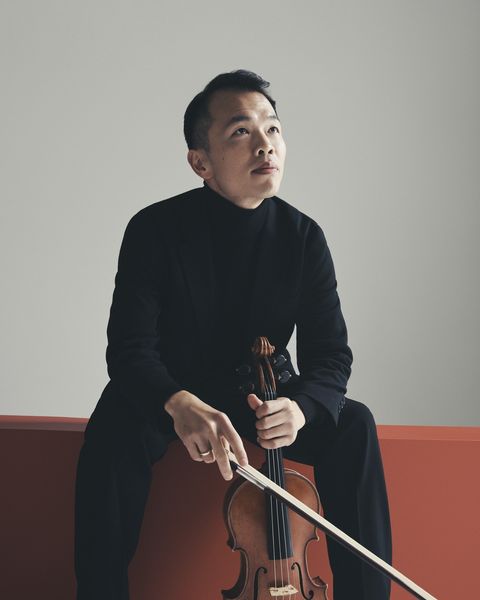
Ike See
Violin
A distinguished violinist and chamber musician, Ike See has been a core member of the Australian Chamber Orchestra since 2014, performing with the ensemble on some of the world’s most celebrated stages. A three-time First Prize winner at the Singapore National Violin Competition, he has appeared internationally across Asia, Australia, Europe and North America as a soloist, chamber musician and orchestral performer, and has held positions with the Adelaide Symphony Orchestra, Curtis Symphony Orchestra and Symphony in C.
Ike performs on a violin specially made for him in 2021 by renowned contemporary violin maker Sam Zygmuntowicz.
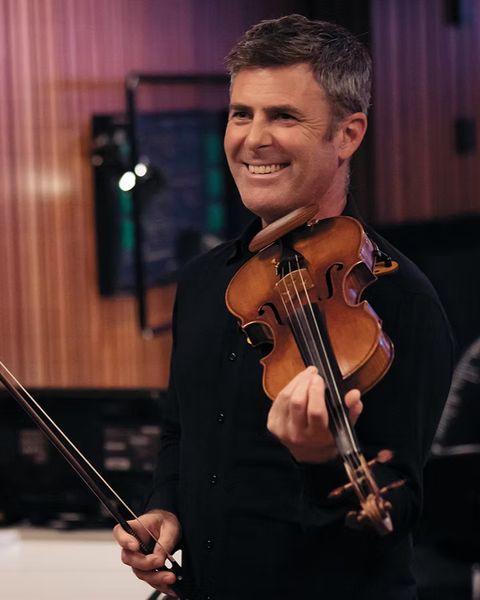
Mark Ingwersen
Violin
Mark Ingwersen’s musical life has been deeply intertwined with the Australian Chamber Orchestra. Beginning his association with the ensemble in 1991, he went on to spend more than three decades performing with it, touring Australian and international concert halls. His long experience in an ensemble celebrated for its intimate, responsive music-making informs his approach to chamber music: an art of listening as much as leading. Tonight he joins the String Quartet and the piano quintet in Songs of War.
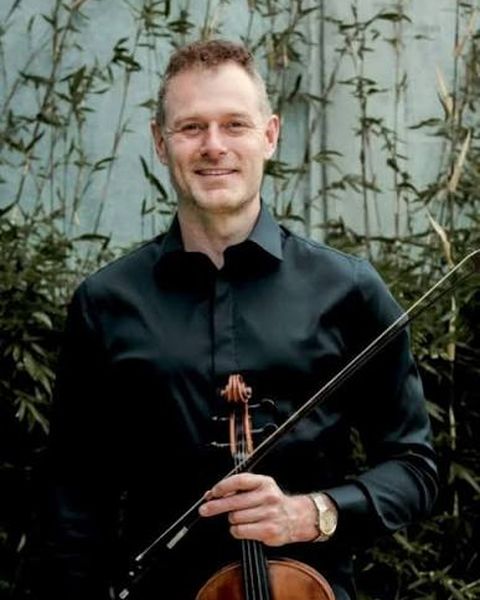
James Wannan
Viola
Acclaimed for his remarkable versatility and musical curiosity, James Wannan is an Australian violist whose artistry embraces an extraordinary breadth of repertoire, from the Renaissance to the most adventurous music of the present day.
An Artistic Associate of Sydney Chamber Opera, James is deeply engaged in both contemporary performance and the chamber music tradition. He collaborates with leading Australian concert presenters, bringing intellectual curiosity, expressive sensitivity and a distinctive musical voice to a wide range of artistic projects. His commitment to exploring music across styles and centuries reflects a belief in the enduring power of musical discovery and collaboration.
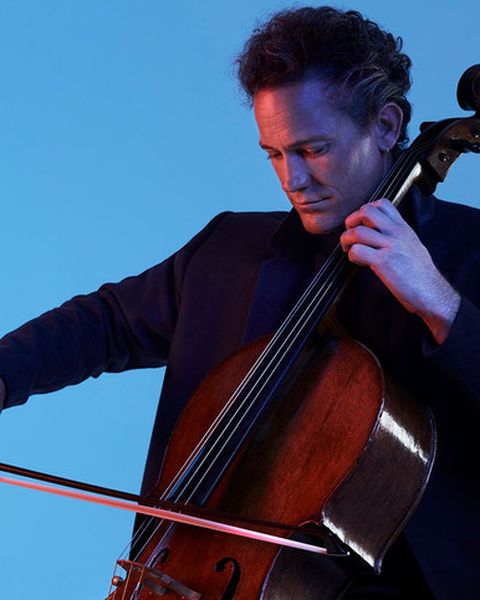
Julian Thompson
Cello
Julian Thompson is among Australia’s most versatile cellists. Since 2006 he has toured widely with the Australian Chamber Orchestra, appearing in prestigious concert halls across the world and contributing to its acclaimed recordings. A Fulbright Scholar, Julian has worked across classical chamber music, film, dance and other collaborative forms. His range and experience bring an expressive richness to the String Quartet and the piano quintet of Songs of War.
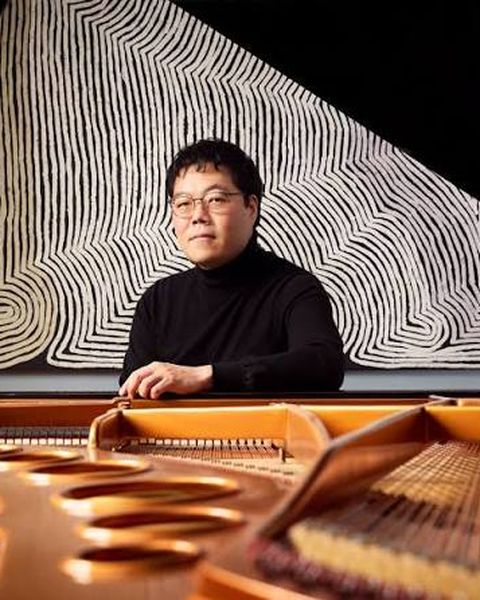
Young Kwon Choi
Piano
A pianist of exceptional artistry, Young Kwon Choi has performed in many of the world’s most celebrated concert halls, among them Carnegie Hall, the Sydney Opera House, Wigmore Hall, Vienna’s Musikverein and the Théâtre des Champs-Élysées. Trained in Sydney, Graz, London and at the International Piano Academy Lake Como, with teachers including Dmitri Bashkirov, Eliso Virsaladze and Menahem Pressler, he is a winner of the Bösendorfer Competition and the ABC Young Performers Awards, and has appeared as concerto soloist with the Orchestre de la Suisse Romande and Australia’s major symphony orchestras, with conductors including Vladimir Ashkenazy.
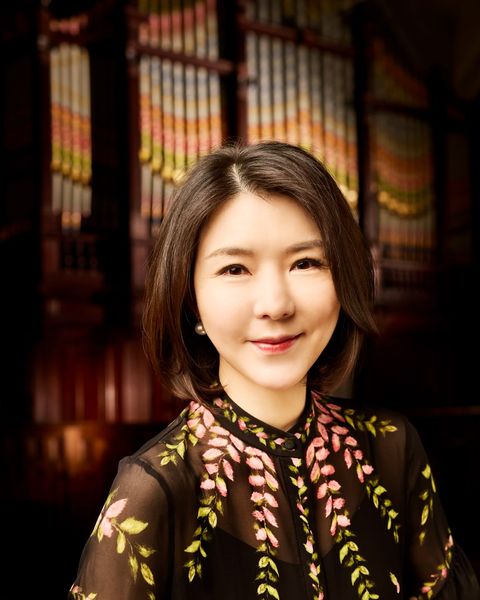
Yoon-Hee Kim
Organ
An accomplished South Korean pianist and organist, Yoon-Hee Kim is a graduate of the Gnessin Academy of Music in Moscow, the University of Music and Performing Arts Graz and the Korea National University of Arts, and has appeared as a soloist with the KBS Symphony and Seoul Philharmonic orchestras. Since returning to Australia in 2022 she has embraced the organ, studying with Mark Quarmby, Donglim Min and Zsigmond Szathmáry, and serves as organist, pianist and choral director at Sydney Korean Community Church in Lindfield.
Dash Eck
Violin
Dash Eck is the violinist in Adagio / Vivace, the second movement of Andrew Goodwin’s Violin Sonata. We thank Dash most warmly for bringing his artistry to this evening and to the premiere of this music.
The choir
Sopranos
- Susannah Lawergren
- Bethany Richardson
- Lily Vagyoczki
- Anna Simonds
- Piya Kaur
- Juliet Maroun
- Kyana Jajoo
Mezzo-sopranos
- Harper Bilinski
- Sara Kumar
- Deborah Adrian
Tenors
- Jordan Sarkis
- Sam Zhan
- Aleksander Goodwin
Baritones
- Christopher Richardson
- Jack Futcher
- Sebastian Lush
Conductor · Andrew Goodwin Organ · Yoon-Hee Kim
Meet the singers
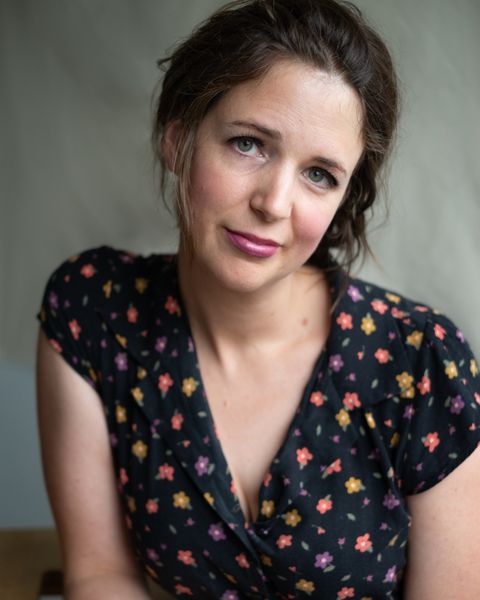
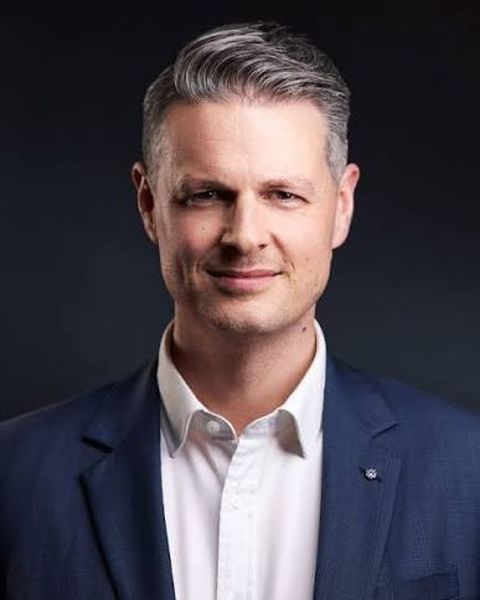
Susannah Lawergren
Soprano
Susannah Lawergren is a versatile Sydney soprano whose career bridges early music, opera, oratorio and new composition. A principal artist with The Song Company and Bach Akademie Australia, she has also performed with Opera Australia, Sydney Chamber Opera and leading chamber ensembles. She has collaborated with prominent Australian composers including Ross Edwards and Elena Kats-Chernin, bringing a strong commitment to text, dramatic expression and the living art of contemporary music.
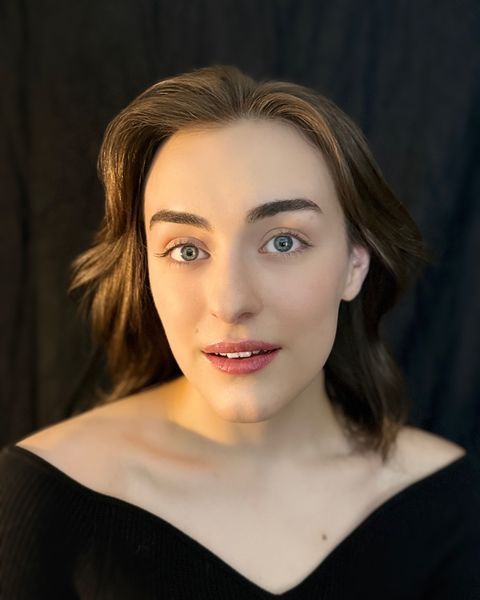
Christopher Richardson
Baritone
Acclaimed Australian bass-baritone Christopher Richardson has built a wide-ranging career in opera, concert music and oratorio, appearing with leading Australian orchestras and choral organisations. His honours include the Frances MacEachron Award at the Oratorio Society of New York’s Solo Competition at Carnegie Hall. A featured soloist on the Decca recording Real and Right and True, devoted to the art songs of Calvin Bowman, he brings exceptional experience in sacred and concert repertoire to tonight’s choir.
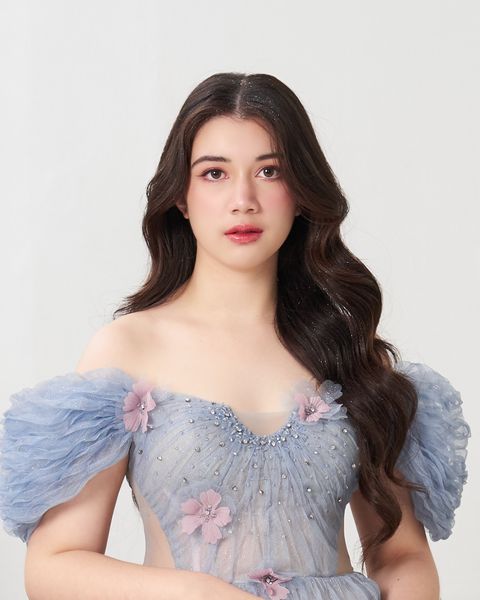
Bethany Richardson
Soprano
Sydney-based soprano Bethany Richardson is approaching graduation from the Sydney Conservatorium of Music. An emerging artist with a particular interest in classical song, she has already earned recognition at the Sydney Eisteddfod, winning Gold and Silver awards in Italian and French art song in 2026. She sings both in the vocal quartet of Peace I Leave With You and in the choir.
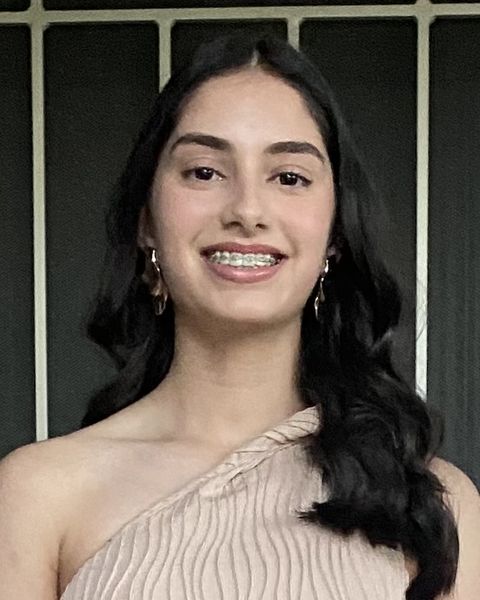
Lily Vagyoczki
Soprano
Thai-Australian soprano Lily Vagyoczki is studying classical voice at the Sydney Conservatorium of Music with Dr Anke Höppner-Ryan. Her musical journey began in Thailand on the traditional ja-khe before leading her to vocal study at Mahidol University’s Young Artist Music Program. Lily has received recognition in singing competitions across several countries and brings unusually broad experience to her work, including television performance and professional voice acting since childhood.
Anna Simonds
Soprano
Anna Simonds is an enthusiastic young soprano who has studied classical singing with Maria Timofeeva for almost four years. During this time she has developed her musicianship through participation in the Sydney Eisteddfod, school vocal ensembles, concerts and musical theatre productions. Her varied performance experience reflects a genuine love of singing and a growing appreciation for the expressive possibilities of the human voice, and she is delighted to contribute to this special evening of music.
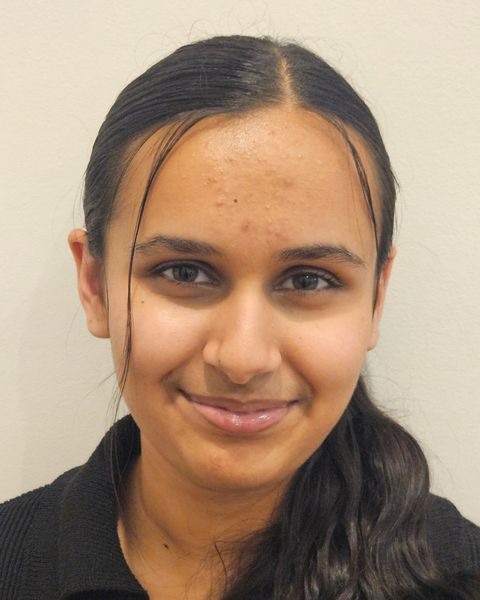
Piya Kaur
Soprano
Piya Kaur is a young Australian soprano with a passion for classical singing and opera. In 2026 she won first place in the Sydney Eisteddfod Classical Song competition and received a Gold Award in the Brahms Young Musician Online International Competition. She was also accepted into Opera Australia’s Work Experience Program and has performed in Salzburg Cathedral and Vienna’s Minoritenkirche.
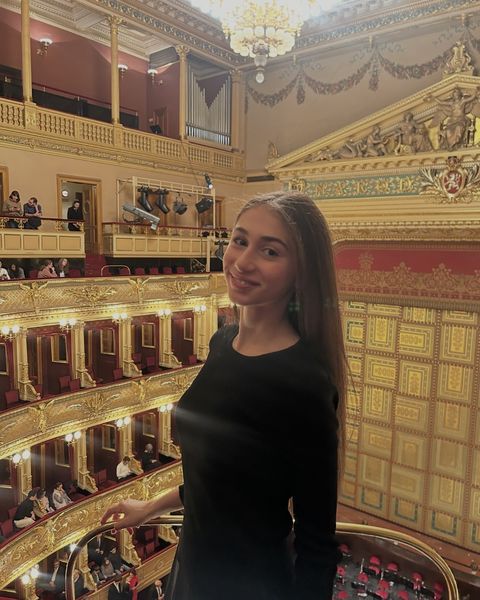
Juliet Maroun
Soprano
Juliet Maroun is a young soprano who finds in singing a way to express emotion, tell stories and connect with others. She brings warmth and dedication to the music she performs and is delighted to share her love of classical singing as she continues to grow as an artist.
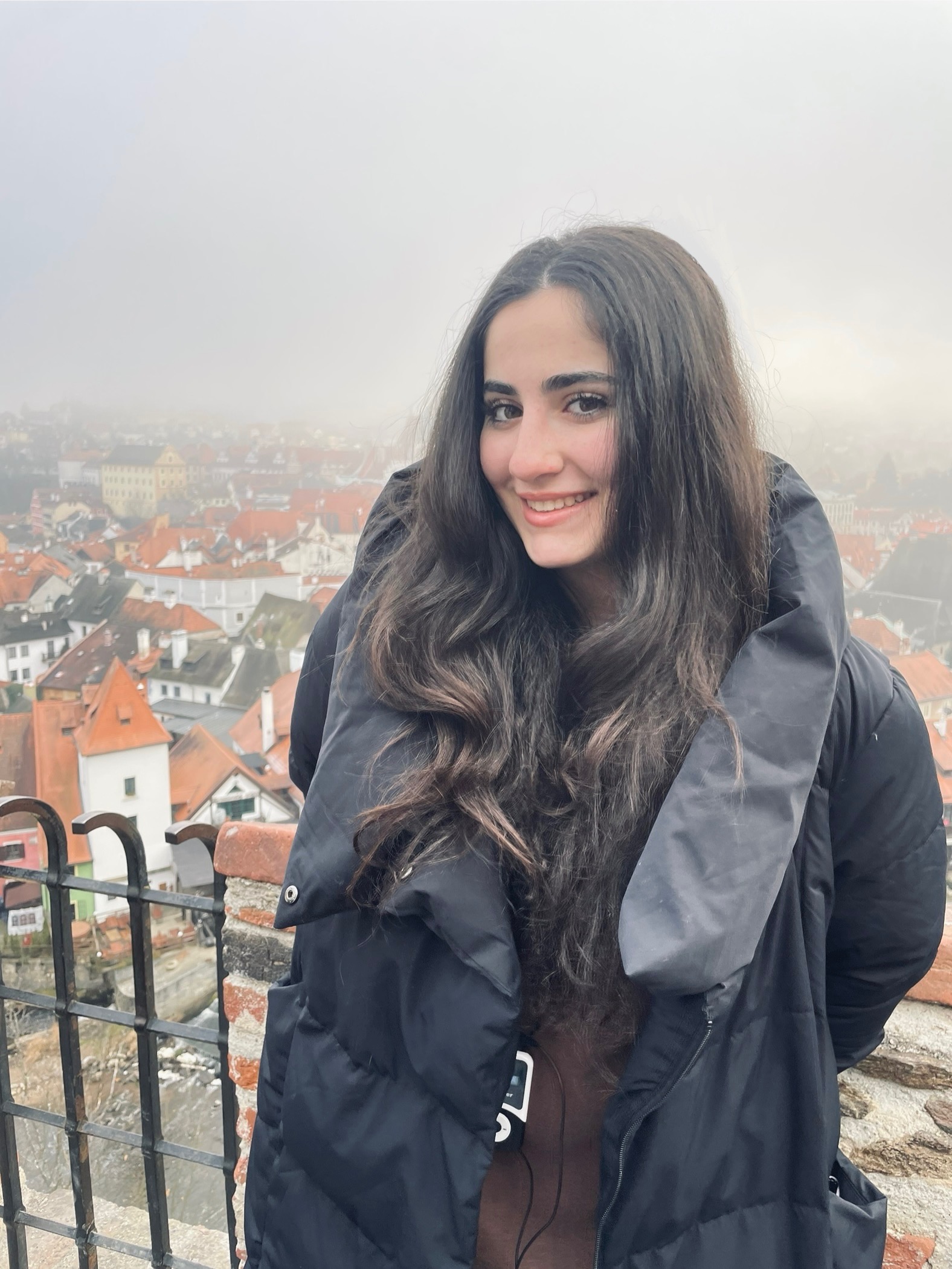
Kyana Jajoo
Soprano
Kyana Jajoo is a passionate young singer in Year 10 with a deep love of music and the stage, and a particular joy in musical theatre – bringing characters and stories to life. For the past two years she has developed her voice with Maria Timofeeva, performing in numerous concerts and growing steadily in confidence, and a school music tour across Europe has deepened her delight in sharing music with others. Dedicated, enthusiastic and always eager to learn, she hopes to keep growing as a singer and performer.
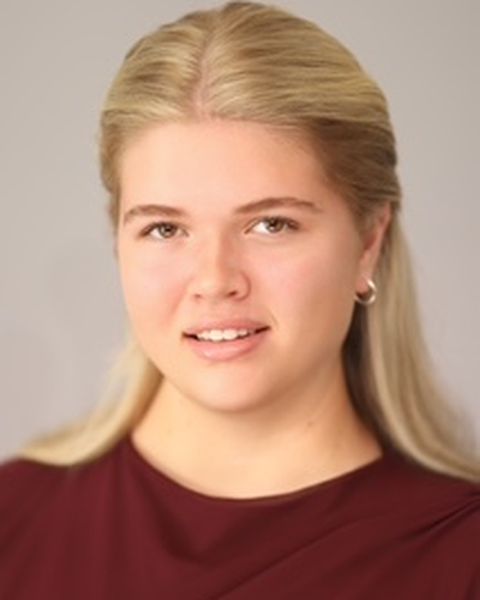
Harper Bilinski
Mezzo-soprano
Harper Bilinski is a second-year classical voice student, a chorister with St Paul’s College Choir and an alto scholar at St James’ King Street. Her work in these ensembles gives her valuable experience in the discipline, blend and expressive sensitivity of choral singing. Tonight she is heard in the intimate vocal quartet of Peace I Leave With You and as a member of the choir.
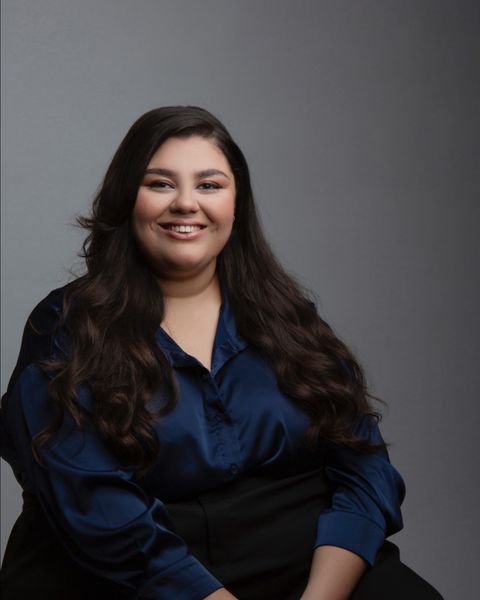
Sara Kumar
Mezzo-soprano
Sara Kumar is completing her classical voice studies at the Sydney Conservatorium of Music under Dr Anke Höppner-Ryan. A recipient of merit scholarships supporting her development, she has performed in Deborah Cheetham Fraillon’s opera Parrwang Lifts the Sky and received both adjudicators’ and audience prizes at the Demant Dreikurs Scholarship Competition. Sara also shares her knowledge as a music teacher and tutor, combining artistic ambition with a generous commitment to musical education.
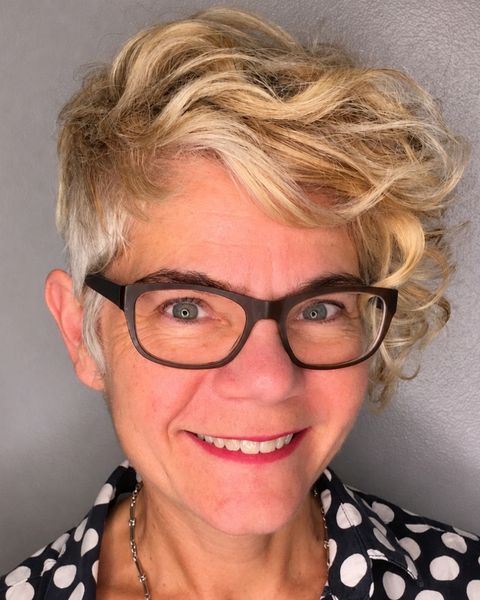
Deborah Adrian
Mezzo-soprano
Deborah Adrian’s musical journey has been shaped by a lifelong love of performance and collaboration. Having studied piano and flute from an early age, she performed with small ensembles and orchestras, sang in choirs and accompanied music students. Returning to music some five years ago through classical vocal training, she brings together years of musical experience and a renewed enthusiasm for singing, and is delighted to share in this special evening of choral music.
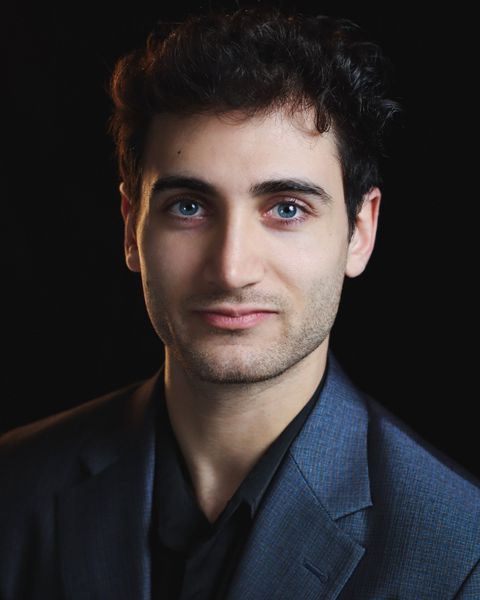
Jordan Sarkis
Tenor
Australian tenor Jordan Sarkis is in his third year of a Bachelor of Music (Performance). Since 2022 he has studied with Andrew Goodwin, developing a close musical mentorship alongside his interests in engineering. In tonight’s concert he sings in Peace I Leave With You and the choir, bringing his developing artistry into direct collaboration with the composer and teacher who has helped guide his studies.
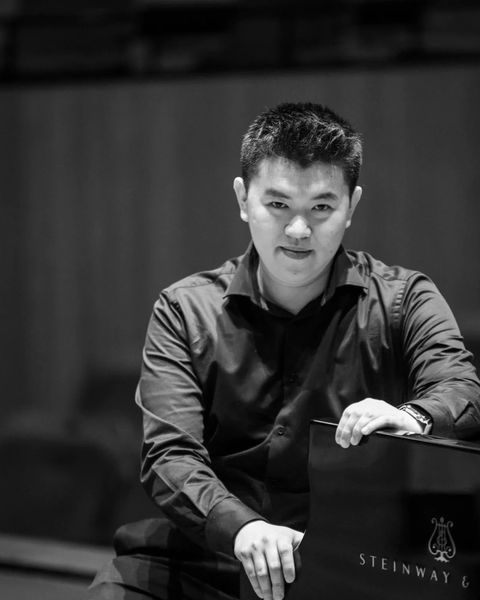
Sam Zhan
Tenor
Sam Zhan completed his Master of Music at the Sydney Conservatorium of Music, studying with Natalia Ricci, following a Bachelor of Music in Piano Performance under Daniel Herscovitch. A classically trained pianist who performs widely as soloist, collaborative pianist and chamber musician, he gave the world-premiere two-piano arrangement of de Falla’s El Sombrero de Tres Picos at the Encuentros Españoles festival in 2022, and in 2023 the Henderson Scholarship carried him to festivals in Spain and Portugal, working with renowned pianists from around the world. Tonight he sings with the choir.
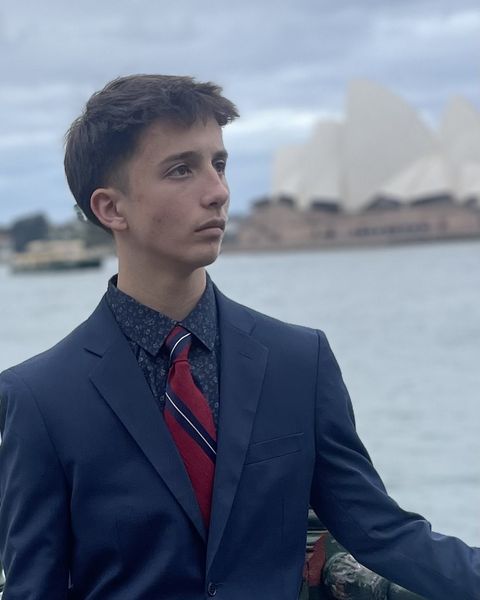
Aleksander Goodwin
Tenor
Aleksander Goodwin is an emerging young tenor and student at Barker College, whose love of music has been nurtured through choral singing from the age of eight, with performances at St Mary’s and St Andrew’s Cathedrals and on stage as Frederic in The Pirates of Penzance. Also an accomplished young accordionist and pianist, Aleksander is the son of Andrew Goodwin and Maria Timofeeva, and joins his father and fellow musicians in performing Andrew’s choral compositions – a particularly personal dimension to this special evening.
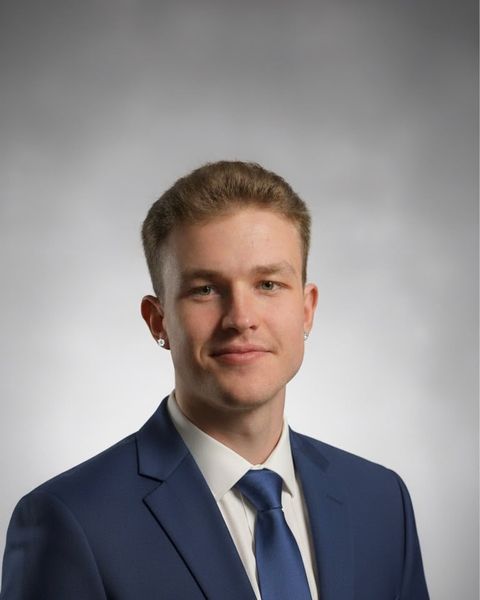
Jack Futcher
Baritone
Jack Futcher is a baritone in his final year at the Sydney Conservatorium of Music, where he studies with Andrew Goodwin. A graduate of Bridges Vocal Arts in Paris, he has been a finalist in the RMP Aria and Demant Dreikurs competitions. His experience of both Australian and international vocal training informs the musical sensitivity he brings to the vocal quartet in Peace I Leave With You and to the choir.
Sebastian Lush
Baritone
Sebastian Lush joins the choir as a baritone for this evening’s sacred choral music. We thank Sebastian most warmly for sharing his voice and his time in bringing this music to life.
With gratitude
Peace I Leave With You
Dedicated to Andrew Goodwin’s father.
Songs of War
Dedicated to Robert Dean.
God So Loved the World
Dedicated to Judith Neilson AM in celebration of her birthday, with heartfelt appreciation for her extraordinary commitment to art and music, and for the enduring generosity, friendship and encouragement she has shown Andrew Goodwin and Maria Timofeeva.
Requiem
Dedicated with warmth and gratitude to Jim and Peronelle Windeyer, whose kindness, friendship and steadfast support have brought lasting light into the lives around them.
With heartfelt thanks
Our deepest gratitude goes to Barker College for its extraordinary generosity in hosting this concert in the beautiful War Memorial Chapel. We extend our sincere appreciation to Mr Phillip Heath AM, and the entire Barker College team for their gracious hospitality, kindness and invaluable support in bringing this special evening to life.
We would also like to express our sincere gratitude to Ms Winnie Adrian for her generous support of this concert.
Our heartfelt thanks to Jim and Peronelle Windeyer for their enduring friendship, encouragement and steadfast support.
We are deeply grateful to the exceptional musicians and singers who have brought their talent, dedication and artistry to Andrew’s compositions. Their generosity of spirit and commitment to the music have made this evening possible. Particular thanks go to Dash Eck and Sebastian Lush for so generously sharing their artistry this evening.
Special thanks to Maria Timofeeva for her tireless dedication, care and passion in helping bring this concert together, and to everyone who has contributed their time and assistance behind the scenes.
Finally, to our audience – thank you for being part of this very special occasion. Your presence, encouragement and appreciation of music mean more than words can express.
Help support this music
Bringing this concert to life has involved substantial personal expenditure, particularly in engaging the exceptional musicians who are making Andrew’s compositions heard. There are still significant costs to meet. If tonight’s music has moved you, a donation of any amount would make a genuine and immediate difference, helping us meet these performance expenses and honour the work of the artists on stage.
Donate online
Every contribution directly supports the professional musicians performing this evening.
Make a donation